
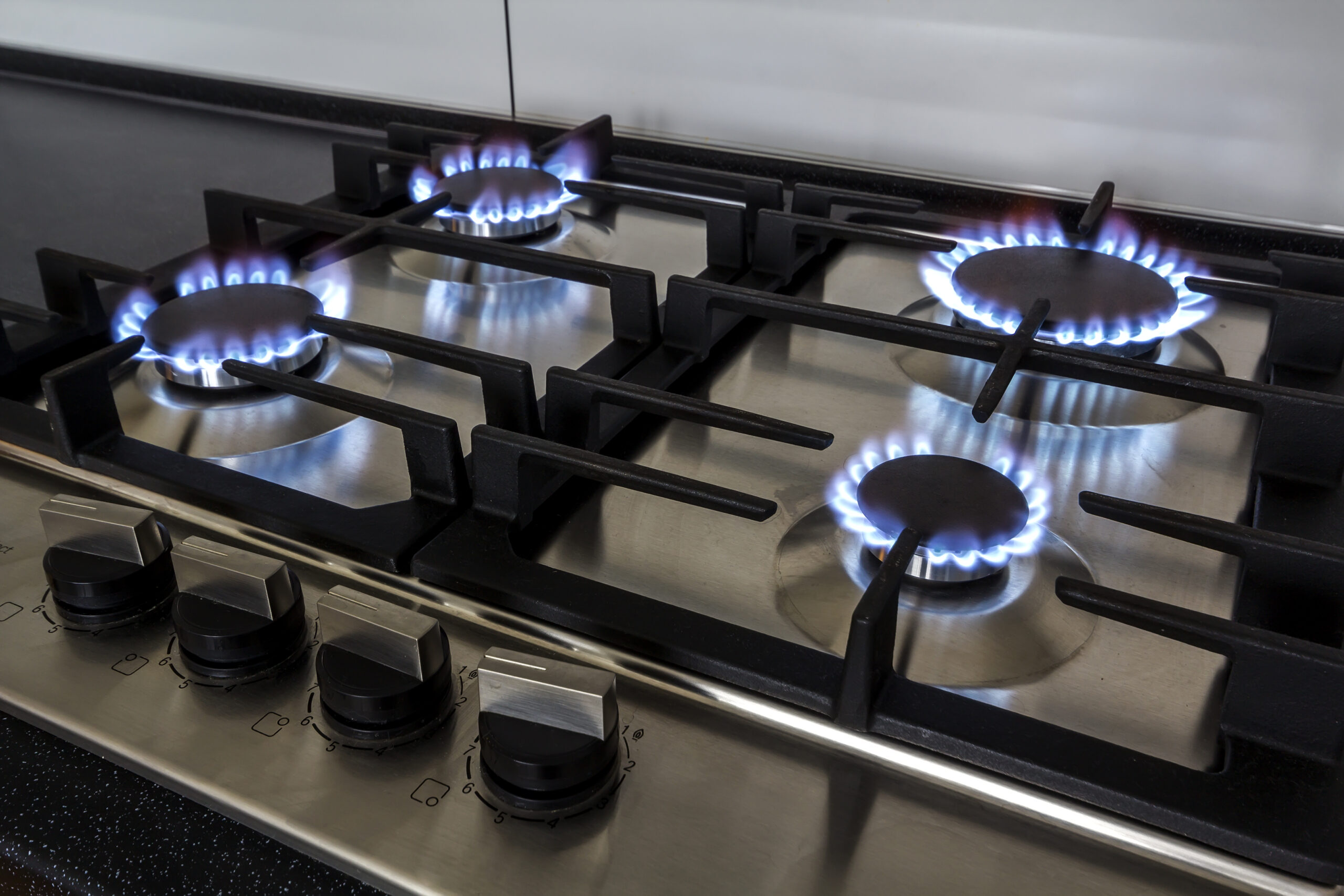
Gas appliances provide reliable heating and cooking for thousands of Des Moines area homes, but they require proper maintenance and safety awareness. After 80+ years of servicing gas appliances throughout the Des Moines metro, we’ve learned that understanding basic safety principles can prevent dangerous situations.
Pilot Light Safety
Proper Pilot Light Operation: A healthy pilot light burns with a steady blue flame about 1/4 to 1/2 inch high. Warning signs include yellow or orange flames, flickering, frequent outages, or soot buildup around the pilot assembly.
Safety Rules:
- Never attempt to relight a pilot if you smell gas
- Wait at least 5 minutes after a pilot goes out before relighting
- Follow manufacturer instructions exactly
- Call a professional if the pilot won’t stay lit after multiple attempts
Gas Leak Detection
Warning Signs:
- Smell: “Rotten egg” odor near gas lines or appliances
- Sound: Hissing or whistling sounds
- Sight: Dead vegetation near gas lines or bubbles when soapy water is applied to connections
If You Suspect a Leak:
- Don’t use electrical switches or create sparks
- Evacuate immediately
- Call your gas utility from a safe location
- Don’t return until professionals declare it safe
Monthly Safety Check: Mix equal parts water and dish soap in a spray bottle. Apply to gas connections and look for bubbles indicating leaks.
Carbon Monoxide Safety
CO Warning Signs:
- Headaches, dizziness, or nausea near gas appliances
- Yellow or orange flames (should be blue)
- Soot buildup around vents
- Flu-like symptoms that improve when you leave the house
CO Alarm Placement:
- Install on every level of your home
- Place at least 15 feet from gas appliances
- Install near sleeping areas
- Test monthly and replace batteries twice yearly
- Replace alarms every 5-7 years
If Your CO Alarm Sounds: Evacuate immediately, get fresh air, call 911 from outside, and don’t re-enter until cleared by emergency responders.
Annual Professional Inspections
Gas appliances should be inspected annually by qualified technicians. Our inspections include checking gas pressure, vent systems, heat exchangers, pilot lights, and carbon monoxide levels.
Call Westside Appliance Repair If You Notice:
- Gas odors around appliances
- Pilot lights that won’t stay lit
- Yellow or orange flames
- Soot buildup or unusual condensation
- Decreased appliance performance
Emergency Preparedness
Keep These Numbers Handy:
- Gas utility emergency line
- Westside Appliance Repair: 515-276-8899
- Emergency services: 911
Essential Safety Equipment:
- CO alarms on every level
- Fire extinguisher rated for gas fires
- Emergency contact numbers
- Gas valve wrench and know shutoff location
The Bottom Line
Gas appliances are safe when properly maintained. Regular professional inspections, proper CO alarm placement, and basic safety awareness prevent dangerous situations. Never ignore warning signs like gas odors, unusual flames, or CO alarm activation.
When in doubt about gas appliance safety, call a professional. Your family’s safety is worth more than the cost of a service call.
Concerned about gas appliance safety? Contact Westside Appliance Repair at 515-276-8899. As Iowa’s only Whirlpool factory certified care center serving Des Moines, Ankeny, and Indianola for over 80 years, we keep your gas appliances operating safely.
Safety First: When in doubt, call a professional.
Need expert advice on appliance brands or maintenance? Contact Westside Appliance Repair at 515-276-8899. As Iowa’s only Whirlpool factory certified care center, we’ve been helping Des Moines area families make smart appliance decisions for over 80 years. Our experienced technicians service approximately 100-120 homes daily throughout the Des Moines metro, including Ankeny and Indianola.

Comments are closed