
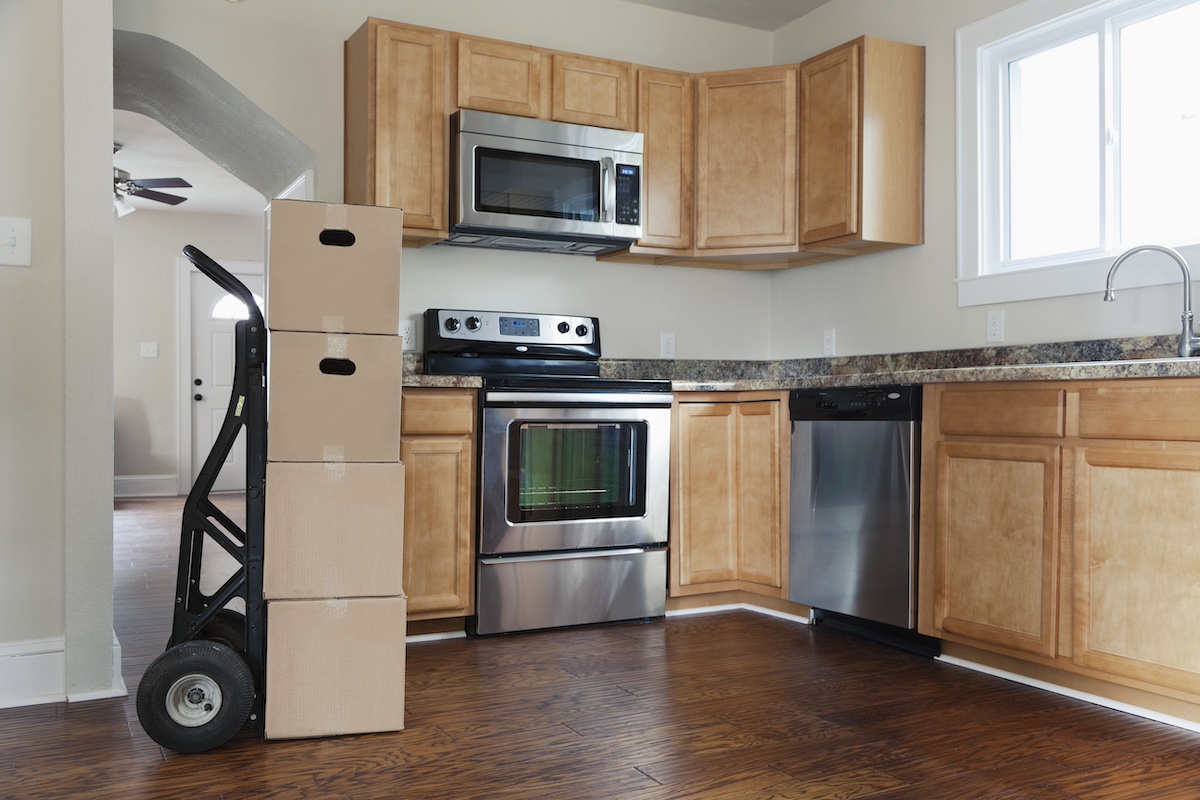
Moving is a big deal. There’s a lot to think about. Your appliances might be the last thing on your list, but if you skip a few key steps, they can quickly become your biggest headache. Whether you’re leaving an old home or settling into your first place, this guide will help you move your appliances the right way.
Before You Move: What to Check
Don’t wait until moving day to think about your appliances; prepare now!
Refrigerator
- Defrost your freezer at least 24 hours before the move.
- Empty it completely and remove any shelves or drawers that could break.
- Keep the doors closed as long as possible so it stays cool.
- Once it’s in your new home, wait 2 to 4 hours before plugging it in. This lets the oil in the compressor settle.
Washer and Dryer
- Disconnect the water hoses from the washer and drain them fully.
- Check if your washer needs shipping bolts. Many front-load washers came with them from the factory. If you saved them, put them back in before moving to protect the drum.
- Unplug the dryer and disconnect the vent hose. If it’s a gas dryer, have a professional disconnect the gas line.
Dishwasher
- If you’re taking a built-in dishwasher, it’s usually better to leave it. Built-ins are tricky to remove and reinstall without causing leaks.
- If you do take it, have a plumber disconnect it first.
Stove and Oven
- Remove all grates, racks, and burner covers so they don’t get damaged or lost.
- For gas ranges, always have a professional disconnect the gas line. Never do this yourself.
- Electric ranges should be unplugged by the homeowner, but reinstalling a four-wire hookup in a new home may need an electrician.
Common Problems After a Move
Even when you do everything right, moving can be rough on appliances. Here are the most common issues we see after people settle into a new home, and what they usually mean.
Refrigerator Won’t Cool
- If it’s not cooling right away, it may just need time. Wait at least 4 hours after plugging it in before loading it with food.
- If it’s still not cooling after 24 hours, the compressor may have been jostled during the move. Call Westside Appliance Repair.
Washer Is Shaking or Banging
- This is almost always a leveling issue. Most washers have adjustable feet. Use a level tool and adjust until it’s balanced.
- Shipping bolts can cause loud banging. Remove them before running a load.
Dishwasher Is Leaking
- A leak after a move usually means the water supply line wasn’t connected tightly, or the door gasket got bent or damaged.
- Don’t run it again until the leak is fixed. Water damage adds up fast.
Dryer Takes Forever to Dry
- The vent hose may not be connected, or it might be kinked behind the dryer.
- Check that the vent opening on the outside of your home is clear and not blocked.
Appliance Won’t Turn On At All
- Check the circuit breaker first. Moving appliances around can trip a breaker, especially in an older home.
- Make sure the outlet matches the appliance. Electric dryers and ranges need a 240-volt outlet. A standard wall outlet won’t work.
Tips for First-Time Homeowners
Buying your first home is exciting. But it also means you’re in charge of everything now, including the appliances. Here are some things to know right away.
Find Out What You Actually Have
- Before move-in, find out which appliances are staying and which are going with the seller.
- Get the model numbers for everything that stays. You’ll need them if something breaks.
- Look up the appliance’s age online using its serial number. Most appliances last 10 to 15 years. Knowing their age helps you plan for replacements.
Know Where Your Shutoffs Are
- Find the water shutoff behind your washer and under your sinks before you need them in an emergency.
- Know where your main water shutoff is, in case of a major leak.
- Find your circuit breaker and label the breakers if they aren’t already.
Set a Maintenance Routine
- After every load, be sure to clean your dryer’s lint trap. A clogged vent is a fire hazard.
- Every six months, plan to replace your refrigerator’s water filter.
- Clean the dishwasher filter every few months so it keeps draining well.
- Pull your dryer out once a year and vacuum behind it, including the vent hose.
Don’t Wait to Call for Help
- Strange noises, leaks, or error codes are your appliances telling you something is wrong. The longer you wait, the more expensive the repair usually gets.
- A good repair technician can often fix a problem fast, for far less than replacing the appliance. To book an appointment, call or text Westside Appliance Repair at 515-276-8899, or use our online scheduler linked here.